

Holidays in Italy: How to Design Your Perfect Trip Based on Your Travel Style


When people think about holidays in Italy, they often start with a list of places: Rome, Venice, Florence, the Amalfi Coast.
But what if the real question wasn’t where to go, but how you want to experience Italy?
Italy is not just a destination. It’s a collection of atmospheres, rhythms, and ways of living. And the same country can feel completely different depending on how you choose to travel.
In this guide, instead of giving you another list of destinations, we’ll help you design your Italian holiday based on your travel style.
1. The “Slow Immersion” Holiday
If your idea of travel is not about ticking boxes but about feeling a place, Italy rewards you more than almost anywhere else.
This type of holiday is not about moving fast. It’s about staying longer, walking without a fixed plan, returning to the same café, recognizing faces.
How to experience it:
Choose one base (a village, countryside house, or small town)
Stay at least 4–5 days in the same place
Explore nearby areas without rushing
Build small rituals (morning coffee, evening walk, local market)
Best fit areas:
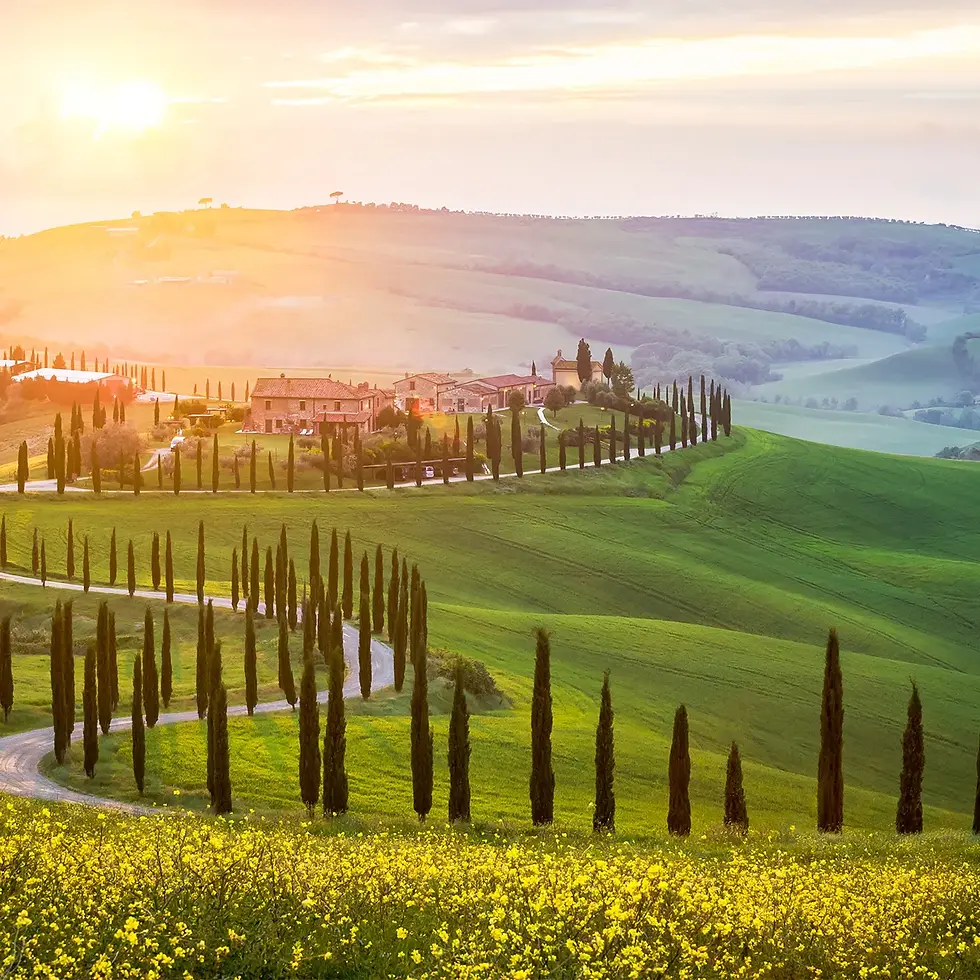
Rural Tuscany and Umbria
Small towns in Emilia-Romagna
Countryside around Lecce or Ragusa
This is where Italy stops being something you visit… and starts becoming something you live.
2. The “Iconic First-Time” Holiday
If this is your first time in Italy, there is nothing wrong with wanting to see the classics. In fact, there’s a reason they are famous.
But the key is not to rush through them.
How to experience it:
Limit your itinerary to 2–3 main cities
Add one unexpected stop between them
Focus on experiences, not just landmarks
Example flow:Rome → Florence → a smaller town like Orvieto or Lucca
Instead of trying to “see everything,” aim to remember something clearly.
Because holidays in Italy are not measured in places visited, but in moments that stay.
3. The “Nature & Outdoor” Holiday
Italy is often associated with art and cities, but its landscapes are just as powerful.
From mountains to coastlines, from lakes to rolling hills, nature here is incredibly diverse.
How to experience it:
Combine light physical activity with exploration
Choose scenic routes instead of highways
Alternate movement (hiking, cycling) with rest
Best areas:
Dolomites for hiking and dramatic landscapes
Lake Como or Lake Garda for a mix of water and mountains
Southern coastal areas for sea + wild nature
This kind of holiday connects you to a different Italy — quieter, more physical, more essential.
4. The “Cultural Depth” Holiday
Some travelers don’t just want to see Italy. They want to understand it.
For them, holidays in Italy become a journey through history, art, and identity.
How to experience it:
Focus on a theme (Renaissance, Roman Empire, Baroque, etc.)
Visit fewer places, but go deeper
Use local guides or small museums to add context
Example themes:
Renaissance cities beyond Florence
Roman history outside Rome
Southern Italy’s layered cultures
Italy rewards curiosity. The more questions you bring, the richer your experience becomes.
5. The “Lifestyle & Pleasure” Holiday
Sometimes, the goal is simple: enjoy life.
Italy might be one of the best places in the world for this kind of travel.
Food, wine, landscapes, conversations — everything invites you to slow down and enjoy.
How to experience it:
Choose places known for quality of life, not just attractions
Plan around meals, not schedules
Leave empty space in your itinerary
Best areas:
Val d’Orcia
Langhe and Piedmont countryside
Coastal villages with a relaxed pace
Here, holidays in Italy become less about “doing” and more about being present.
The Real Secret of Holidays in Italy
There is no single “perfect itinerary” for Italy.
The real difference is not between north and south, cities or countryside, famous or hidden places.
It’s between traveling with intention and traveling on autopilot.
Before you plan your next trip, ask yourself:
👉 What kind of experience am I really looking for?
Because Italy can give you many different answers.But only if you start with the right question.


Comments